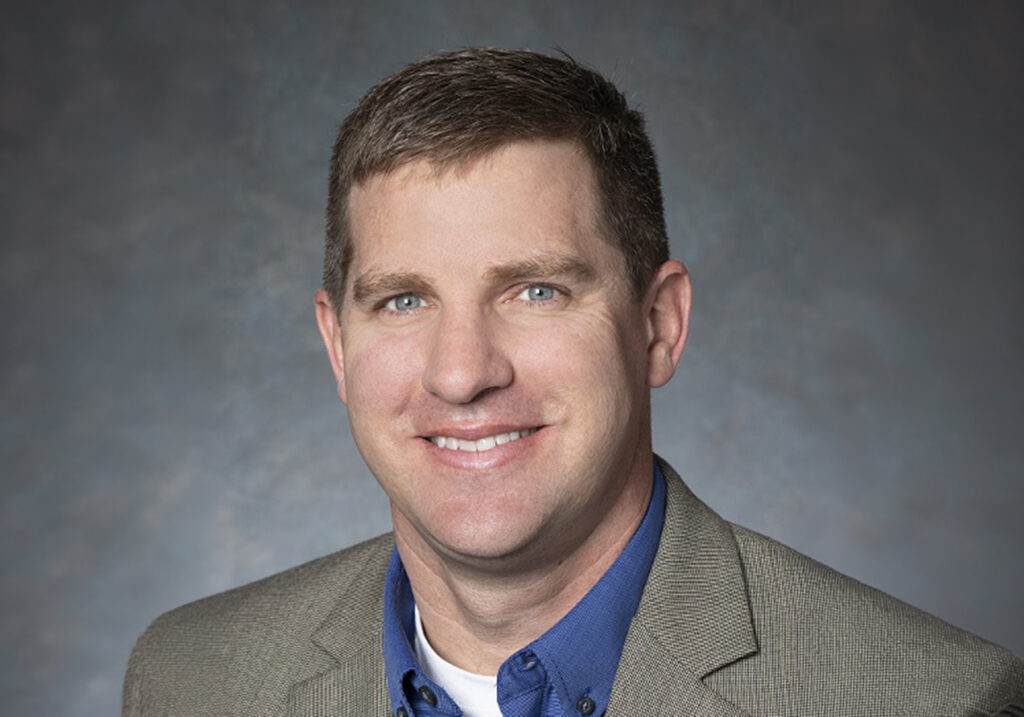

Peters to Present on Vapor Generation at ACS
Eric Peters, Principal Chemist at MRIGlobal, will present at the American Chemistry Society’s Fall Meeting 2026, profiling MRIGlobal’s work to develop and analyze chemical agent vapors for sensor testing, analytical libraries, toxicology, and environmental studies using various generation techniques.
This abstract was originally sourced from the American Chemistry Society’s website at Vapor generation of chemical warfare agents with instrumental analysis for testing and evaluation – American Chemical Society.
Vapor generation of chemical warfare agents with instrumental analysis for testing and evaluation
MRIGlobal generates chemical agent vapors for testing and evaluation purposes virtually every day. The agent vapors generated include both high vapor pressure agents and low vapor pressure agents, at high (>1000 ppm) concentrations and low concentrations (pptr). Generating well characterized chemical agent vapor is crucial for concentrations and low concentrations (pptr). Generating well characterized chemical agent vapor is crucial for sensor testing, building analytical instrument reference libraries, conducting toxicological studies, and evaluating environmental effects on an agent such as humidity, stability studies, and the effects of common interferants. The native state of most traditional chemical warfare agents is liquid, therefore, various vapor dissemination techniques are used to generate challenge conditions for testing. Typical options for vapor generation include spray automation systems, permeation tubes, diffusion vials, saturator cells, and modified impingers, among others. In this paper, we summarize our most common methods for vapor generation and analysis, discuss the advantages of the systems, and show the resulting vapor concentrations observed.