
Bacteriophages as a Diagnostic and Therapeutic
Bacteriophages (phages) are everywhere, the most numerous viruses in the world. They colonize your hands, the inside of your mouth, lungs, and even your gut. Without so much as sneeze or a cough, you’re transmitting them to everyone around you. And they are the deadliest viruses on the planet … but only to bacteria.
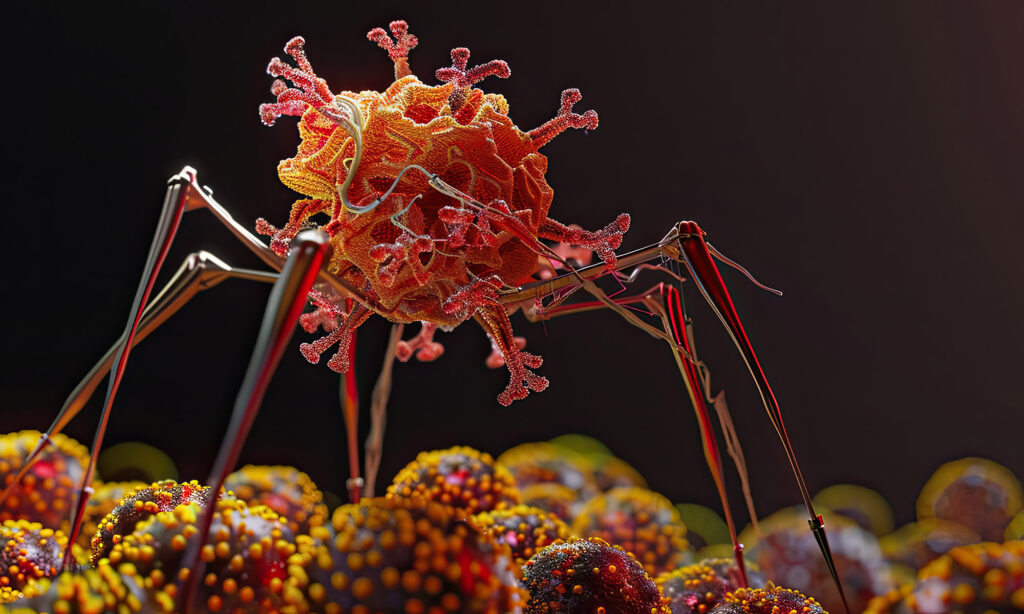
A simple structure, phages consist of their genetic material, either DNA or RNA, which is encased in a protein coat. They then have a tail and tail fibers. It is the latter that helps the virus transit across a susceptible bacterium and attach itself to infect the host cell.
There are two types of phages:
- Lysogenic, in which the phage replicates within the bacteria and the viral genes are passed on to daughter cells during cell division without destroying the bacterial cell.
- Lytic, in which the phage attaches to the bacterial cell through a viral protein on the phage surface to receptors on the bacterial cell surface. The phage then will inject its genetic material into the bacteria, commandeering the bacteria’s protein and nucleic acid synthesis machinery to replicate its phage components. Once it does, it replicates itself and creates new viral particles until causing the cell to lyse, breaking apart the cell and releasing the phage’s viral progeny into the environment, continuing that cycle.